Roof inspections play an essential role in maintaining a home’s integrity. They help identify potential issues like leaks and structural weaknesses, which could lead to significant problems if left unchecked. By focusing on important components such as flashing and gutters, homeowners can improve drainage and ventilation. Understanding these benefits is fundamental. What specific signs should one look for during an inspection, and how can these insights lead to long-term savings?
Key Takeaways
- Regular roof inspections enhance safety and extend the longevity of your home, preventing serious structural issues.
- Identifying leaks and vulnerabilities early helps avoid costly repairs and maintains a comfortable living environment.
- Inspections improve energy efficiency by ensuring proper ventilation and reducing heating and cooling costs.
- Addressing common issues like damaged shingles or clogged gutters prevents water damage and promotes structural integrity.
- Scheduling inspections in spring and fall ensures timely maintenance for lasting protection and peace of mind.
Why Roof Inspections Matter for Your Home’s Safety
When homeowners prioritize roof inspections, they greatly enhance their property’s safety and longevity. Regular inspections can identify potential issues, such as leaks or structural weaknesses, that might otherwise go unnoticed until they escalate into costly repairs. A thorough roof inspection explained includes evaluating shingles, flashing, and drainage systems to guarantee everything is functioning at its best. By addressing minor concerns early, homeowners can prevent significant damage to their interiors and maintain a comfortable living environment. Additionally, an intact roof contributes to energy efficiency, reducing heating and cooling costs. Ultimately, investing in roof inspections fosters a sense of security and well-being, allowing homeowners to fully enjoy their living spaces while protecting their valuable investment for years to come.
Key Components of a Roof Inspection Explained
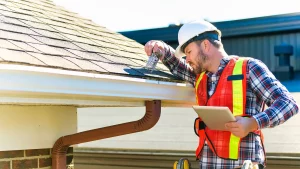
A thorough roof inspection explained involves several critical components that guarantee the integrity and functionality of a home’s roofing system. Inspectors typically begin by reviewing the roof’s surface, checking for signs of damage or wear. They also examine flashing, ensuring it is securely in place to prevent water infiltration. Ventilation systems are scrutinized, as proper airflow is essential for extending a roof’s lifespan. Additionally, gutters and downspouts are inspected for blockages that could lead to water damage. The condition of roofing materials, such as shingles or tiles, is evaluated to identify potential vulnerabilities. By understanding these key components, homeowners can appreciate the importance of regular roof inspections in maintaining a safe and healthy living environment.
Common Issues Found in Roof Inspections
After understanding the key components of a roof inspection explained, it becomes evident that certain common issues frequently arise during these evaluations. One prevalent concern is missing or damaged shingles, which can lead to leaks and further deterioration. Another issue often found is improper flashing around chimneys and vents, allowing water to infiltrate the structure. Additionally, accumulated debris in gutters can impede water flow, exacerbating drainage problems. Signs of mold or algae growth on the roof surface indicate potential moisture retention, signaling the need for immediate attention. Finally, sagging areas may suggest underlying structural issues. Recognizing these common problems emphasizes the importance of regular roof inspections in maintaining a healthy home environment and fostering a sense of community well-being.
How Roof Inspections Can Save You Money
Although many homeowners may overlook roof inspections, understanding their financial benefits can lead to significant savings in the long run. Regular roof inspections can identify minor issues before they escalate into costly repairs. By catching leaks or structural weaknesses early, homeowners can avoid the expense of major renovations and potential damage to interior spaces. Additionally, maintaining a healthy roof enhances energy efficiency, reducing heating and cooling costs. Investing in a roof inspection explained by professionals provides peace of mind and helps homeowners make informed decisions about repairs or replacements. Ultimately, proactive roof maintenance fosters a sense of belonging within the community, as well-maintained homes contribute to overall neighborhood vitality.
When to Schedule Your Roof Inspection for Optimal Protection
Maintaining a healthy roof is not just about addressing issues as they arise; it’s also about knowing when to schedule inspections for ideal protection. Homeowners should ideally schedule a roof inspection in the spring and fall, as these seasons often bring weather changes that can stress roofing materials. Additionally, following severe weather events—such as heavy storms or hail—warrants an immediate inspection to identify potential damage. Regular inspections can help catch early signs of wear, preventing costly repairs later. By prioritizing these inspections, homeowners foster a sense of belonging within their community, ensuring that their homes remain safe and welcoming. Understanding when to schedule a roof inspection is essential, as it plays a significant role in long-term home health and safety.
Frequently Asked Questions
How Often Should I Have a Roof Inspection Performed?
Homeowners should ideally schedule a roof inspection every three years. However, after severe weather events or noticeable damage, immediate inspections are essential. Regular checks guarantee longevity and safeguard against costly repairs, fostering a secure living environment.
Can I Conduct a Roof Inspection Myself?
Yes, a homeowner can conduct a roof inspection themselves. However, it’s essential to recognize potential hazards and limitations. Understanding the basics of roof inspection explained can empower individuals, ensuring their home remains protected and secure.
What Tools Are Needed for a Roof Inspection?
A thorough roof inspection requires essential tools like a sturdy ladder, safety harness, flashlight, moisture meter, and binoculars. These items help identify issues effectively, ensuring a detailed evaluation for maintaining the roof’s integrity and longevity.
How Long Does a Typical Roof Inspection Take?
A typical roof inspection takes about 1 to 2 hours, depending on the roof’s size and condition. This thorough assessment guarantees homeowners understand their roof’s health and can address any potential issues promptly.
What Qualifications Should a Professional Inspector Have?
A professional inspector should possess relevant certifications, extensive experience, and knowledge of roofing systems. Additionally, they should demonstrate strong communication skills, enabling clear explanations of findings to homeowners seeking to understand the importance of roof inspection explained.
Conclusion
To summarize, regular roof inspections are essential for safeguarding a home’s health and longevity. By proactively identifying potential issues and ensuring key components function effectively, homeowners can enhance safety and energy efficiency while avoiding costly repairs. Scheduling inspections, especially after severe weather, not only protects the property but also contributes to a comfortable living environment. Ultimately, prioritizing roof maintenance fosters a resilient home that thrives within the community.
You May Also Like To Read: